
Enhancing Emergency Response with Medical Robot Drones
- NAGA RISHIKH CHERUKUMALLI Class 4
- Nov 9, 2025
- 3 min read

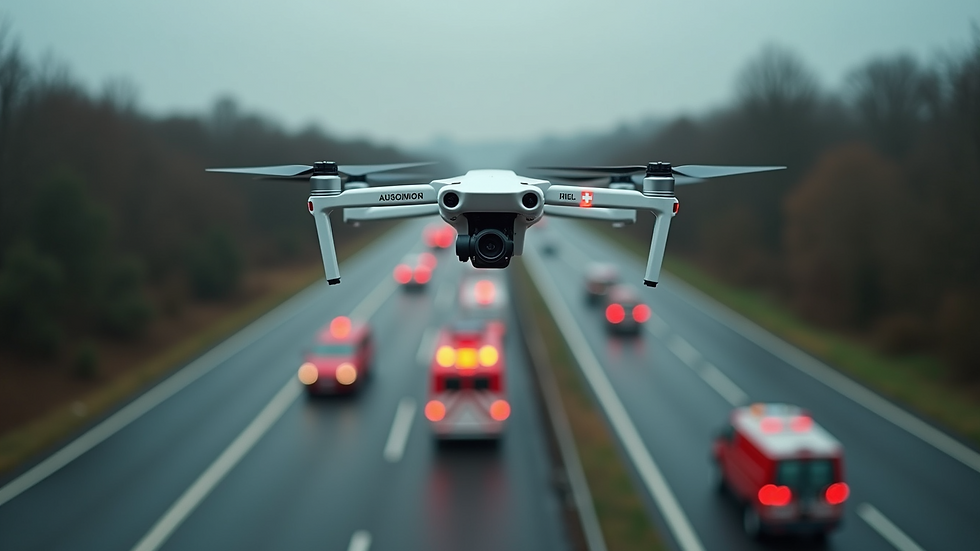
Emergencies demand fast, precise action. Every second counts when lives hang in the balance. Traditional emergency response methods often face challenges like traffic delays, difficult terrain, or limited resources. Medical robot drones offer a promising solution to these problems by delivering critical care faster and more efficiently. This post explores how these drones are changing emergency response, their benefits, challenges, and real-world applications.

How Medical Robot Drones Work in Emergencies
Medical robot drones are unmanned aerial vehicles equipped with medical supplies, sensors, and communication tools. They can fly autonomously or be remotely controlled to reach patients quickly. These drones carry items such as:
Automated external defibrillators (AEDs)
First aid kits
Medications like epinephrine or insulin
Blood samples or lab tests for rapid diagnosis
Equipped with GPS and real-time video feeds, drones can navigate complex environments and provide responders with vital information before they arrive.
Benefits of Using Medical Robot Drones
Faster Delivery of Life-Saving Equipment
In cardiac arrest cases, defibrillator use within minutes can double or triple survival chances. Drones can bypass traffic and geographical barriers, reaching patients faster than ambulances in many situations.
Access to Remote or Hazardous Locations
Mountainous regions, islands, or disaster zones often limit emergency vehicle access. Drones can fly directly to these areas, delivering supplies or even transporting small medical samples.
Real-Time Data and Communication
Medical drones can stream live video and sensor data to emergency teams, helping them assess the situation and prepare before arriving. This improves coordination and decision-making.
Cost-Effective and Scalable
Compared to helicopters or additional ambulances, drones are relatively inexpensive to operate and maintain. They can be deployed widely, especially in underserved areas.
Real-World Examples of Medical Robot Drones in Action
Rwanda’s Blood Delivery Program
Since 2016, Rwanda has used drones to deliver blood supplies to remote clinics. The drones cut delivery times from hours to minutes, saving lives in emergencies like childbirth complications and trauma.
AED Delivery in Sweden
A project in Stockholm tested drones delivering AEDs to cardiac arrest victims. The drones arrived up to 16 minutes faster than ambulances, significantly improving chances of survival.
Disaster Relief in Puerto Rico
After Hurricane Maria, drones helped deliver medical supplies to isolated communities. They also mapped damage and located survivors, aiding rescue teams.
Challenges and Considerations
Regulatory and Airspace Issues
Many countries have strict rules governing drone flights, especially in urban or crowded areas. Navigating these regulations requires cooperation between emergency services and aviation authorities.
Weather and Technical Limitations
Drones can be affected by strong winds, rain, or extreme temperatures. Battery life and payload capacity also limit their range and the amount of supplies they can carry.
Privacy and Security Concerns
Using drones with cameras raises privacy questions. Ensuring data security and responsible use is essential to maintain public trust.
Integration with Existing Emergency Systems
Drones must work seamlessly with ambulances, hospitals, and dispatch centers. Training responders and updating protocols are necessary steps.
The Future of Medical Robot Drones in Emergency Response
Advances in artificial intelligence, battery technology, and materials will improve drone capabilities. Future drones may perform more complex tasks, such as:
Remote patient monitoring with vital sign sensors
Automated triage and diagnosis using onboard AI
Transporting small patients or organs for transplant
Collaboration between governments, healthcare providers, and technology developers will drive innovation and wider adoption.
How Communities Can Prepare for Drone-Assisted Emergencies
Educate the public about drone use and benefits
Develop clear guidelines for drone deployment in emergencies
Invest in infrastructure like drone landing pads at hospitals
Train emergency personnel to operate and coordinate with drones
Final Thoughts
Medical robot drones are transforming emergency response by delivering care faster and reaching places traditional methods cannot. While challenges remain, ongoing projects worldwide demonstrate their potential to save lives. Communities and emergency services that embrace this technology will be better equipped to handle crises and improve patient outcomes.
If you are involved in emergency planning or healthcare, consider exploring how medical robot drones can enhance your response capabilities. The future of emergency care is taking flight.

Comments